Live picks
See what's on in Santiago right now — must-see spots, food, and events
Open →
Overview
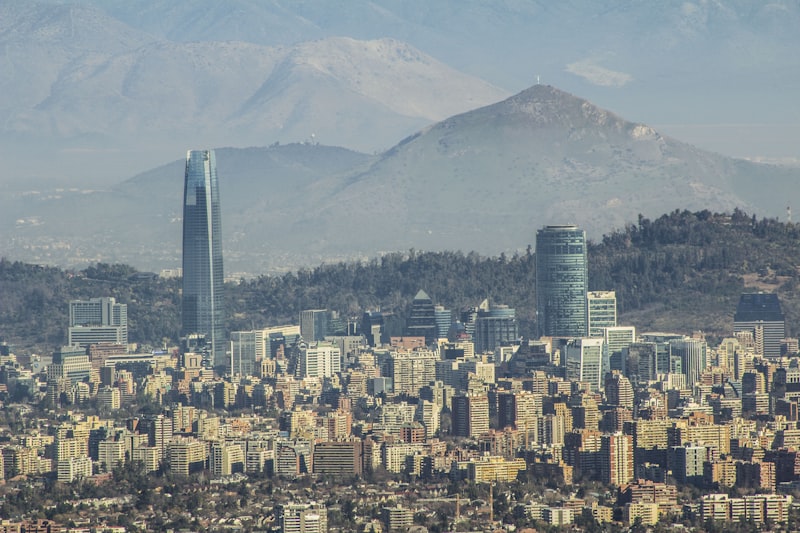
Santiago sits in a broad valley with the snow-capped Andes forming a dramatic eastern wall, visible from rooftops and hilltop parks throughout the city. Chile's capital blends Latin American energy with a surprisingly cosmopolitan feel — the Lastarria and Bellavista neighborhoods are packed with design boutiques, craft breweries, and restaurants pushing the boundaries of Chilean cuisine. The Mercado Central, housed in a beautiful iron-framed building, is one of South America's best seafood markets. Cerro San Cristóbal and Cerro Santa Lucía provide elevated perspectives over the city to the mountains. The nearby Maipo and Casablanca valleys produce world-class wines, with dozens of vineyards offering tastings just an hour from downtown. The Museo de la Memoria documents Chile's recent history with powerful honesty. Santiago also serves as a gateway to Patagonia, the Atacama Desert, and the Chilean wine country. Four days lets you experience the city's culture, cuisine, and natural setting while leaving time for a wine valley excursion.
Highlights
- 1Explore the Plaza de Armas, Mercado Central for seafood lunch, and the colorful streets of Barrio Lastarria
- 2Ride the funicular up Cerro San Cristóbal for Andean panoramas, then explore Bellavista's street art and Pablo Neruda's La Chascona house
- 3Day trip to the Maipo Valley or Casablanca Valley for wine tastings at boutique vineyards
- 4Visit the Museo de la Memoria, stroll through Parque Bicentenario, and enjoy dinner in Providencia or Vitacura
Best Time to Visit
October to April offers warm, dry weather (25-33°C in summer). March and April are ideal with harvest season at wineries and comfortable temperatures. Winter (June-August) brings cooler weather and occasional rain, but also access to nearby ski resorts.
Travel Tips
- •Get a Bip! card for Santiago's efficient metro and bus system — it is the easiest way to navigate the city
- •Book winery visits in advance as many require reservations, especially smaller boutique producers
- •Tap water is safe to drink throughout Santiago, though it has a mineral taste from Andean snowmelt
- •Air quality can be poor in winter due to temperature inversions — check conditions if you have respiratory sensitivity
- •Try a completo (Chilean hot dog with avocado, tomato, and mayo) from a street vendor for an authentic local snack
Frequently Asked Questions
Is Santiago expensive?
Santiago is moderately priced for South America. Budget travelers can manage on $35-55/day with hostels and set-menu lunches. Mid-range visitors should plan $80-140/day for comfortable hotels and restaurant dining, including excellent Chilean wine.
Do I need a visa for Chile?
US, UK, EU, Canadian, and Australian citizens can enter Chile visa-free for up to 90 days. You receive a Tarjeta de Turismo (tourist card) at immigration — keep it safe as you need it when departing. Chile uses the Chilean peso (CLP).
Is Santiago safe for tourists?
Santiago is one of South America's safest capitals. Tourist areas like Providencia, Las Condes, and Bellavista are safe day and night. Be cautious with valuables in the city center and around La Moneda, where pickpocketing occasionally occurs.
How many days do you need in Santiago?
Three to four days covers the city center, Cerro San Cristóbal, Barrio Italia, a wine tour in the Maipo Valley, and the vibrant Mercado Central. Add extra days for day trips to Valparaíso, the Andes for skiing or hiking, or the Casablanca wine valley.
What is the best area to stay in Santiago?
Providencia is the best all-around choice with parks, restaurants, and excellent Metro access. Lastarria offers a charming cultural neighborhood near museums and the Santa Lucía hill, while Las Condes is the business and luxury district with upscale shopping and dining.