Live picks
See what's on in New Orleans right now — must-see spots, food, and events
Open →
Overview
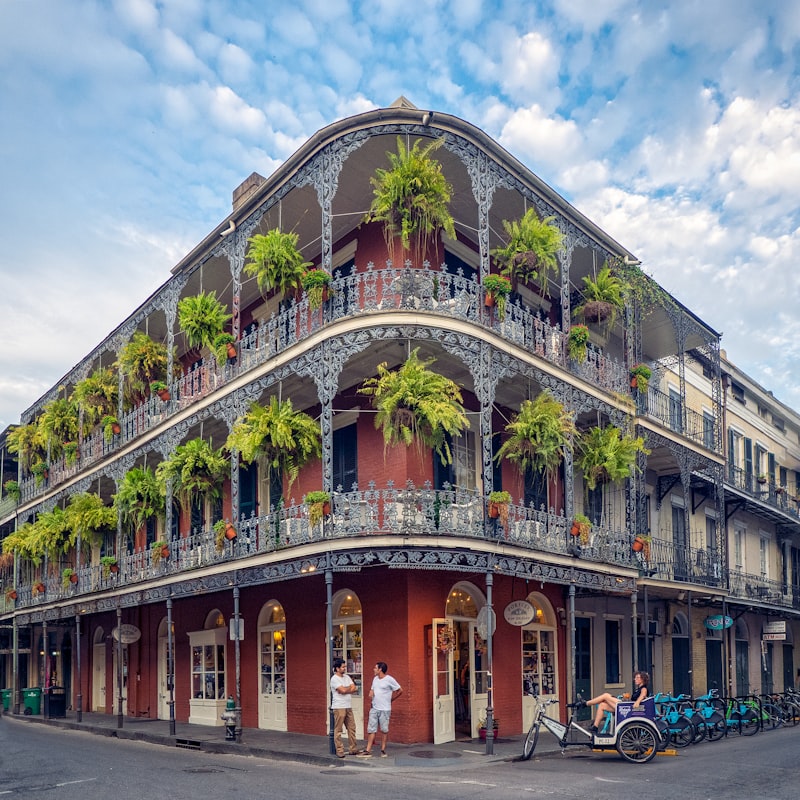
New Orleans is America's most unique city, a place where French, Spanish, African, and Caribbean cultures fused to create something found nowhere else. The French Quarter's wrought-iron balconies and gas-lit streets set the stage, but the real magic is the music — jazz, blues, brass bands, and zydeco pour from clubs, street corners, and second-line parades throughout the week. The culinary scene is equally distinctive: gumbo, jambalaya, crawfish étouffée, beignets at Café du Monde, and po'boys from neighborhood delis represent a cuisine that is genuinely regional. Beyond Bourbon Street, the Garden District offers antebellum mansions shaded by live oaks, while the Bywater and Marigny neighborhoods showcase the city's artistic and bohemian side. The National WWII Museum is one of the finest history museums in the country. Three days gives you time to eat, drink, and listen your way through a city that celebrates life with unmatched enthusiasm.
Highlights
- 1Explore the French Quarter, Jackson Square, St. Louis Cathedral, and catch live jazz on Frenchmen Street in the evening
- 2Visit the National WWII Museum, then take the St. Charles streetcar through the Garden District's mansion-lined streets
- 3Take a swamp tour to see alligators and cypress groves, then return for a Cajun cooking class or po'boy crawl
Best Time to Visit
February to May offers the best weather with mild temperatures (15-25°C) and festival season including Mardi Gras and Jazz Fest. Fall (October-November) is pleasant and less crowded. Summer is extremely hot and humid (35°C+) with frequent afternoon thunderstorms.
Travel Tips
- •Frenchmen Street has better live music than Bourbon Street — most clubs have no cover charge and world-class performers
- •Make restaurant reservations for popular spots like Commander's Palace, but the best po'boys and gumbo come from casual neighborhood joints
- •The St. Charles streetcar is both a practical transit option and a scenic experience through the Garden District
- •Bring comfortable walking shoes — the French Quarter is best explored on foot and the sidewalks can be uneven
- •Stay hydrated and carry a water bottle in summer — the combination of heat and humidity is intense
Frequently Asked Questions
Is New Orleans expensive?
New Orleans is moderately priced by US city standards. Budget travelers can manage on $70-100/day with guesthouses and po'boy sandwiches. Mid-range visitors should plan $150-250/day for French Quarter hotels and restaurant dining, with prices spiking during Mardi Gras and Jazz Fest.
Do I need a visa for the USA?
Citizens of 40 countries including the UK, EU, Australia, and Japan can use the ESTA visa waiver program for stays up to 90 days. Canadians do not need an ESTA. All other nationalities typically need a B1/B2 tourist visa.
Is New Orleans safe for tourists?
The French Quarter, Garden District, and Warehouse District are safe for tourists. Exercise caution after dark in less-traveled areas and avoid walking alone on poorly lit streets. Be alert for your belongings during crowded festivals and Bourbon Street celebrations.
How many days do you need in New Orleans?
Three days covers the French Quarter, a jazz club evening, Garden District mansions, a swamp tour, and the incredible food scene from beignets to crawfish étouffée. Four to five days allows for deeper exploration of neighborhoods like Bywater and Tremé.
What is the best area to stay in New Orleans?
The French Quarter is the classic choice with everything within walking distance, but can be noisy on weekends. The Garden District and Lower Garden District offer beautiful historic homes in a quieter setting, while the Warehouse District (Arts District) provides a modern boutique hotel experience.