Live picks
See what's on in Marseille right now — must-see spots, food, and events
Open →
Overview
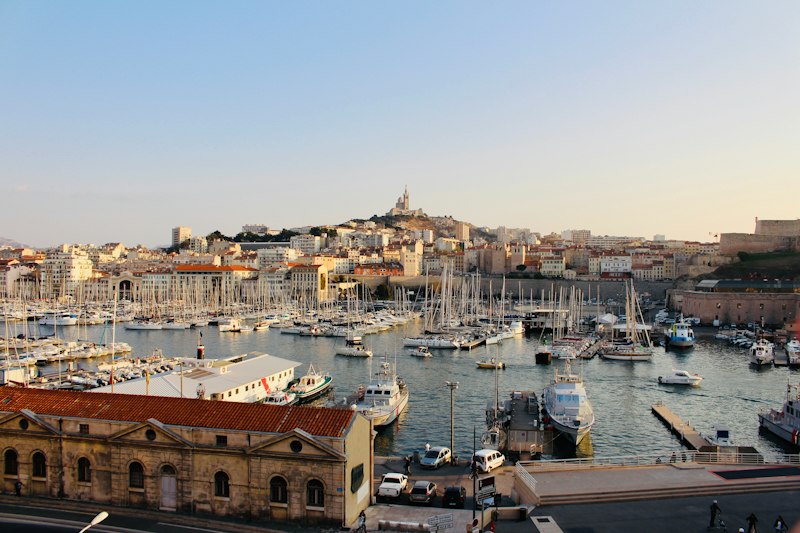
Marseille is France's oldest city, its largest port, and its most culturally diverse metropolis. The Vieux-Port remains the heart of the city, lined with restaurants serving bouillabaisse — the iconic Provençal fish stew born here. Notre-Dame de la Garde watches over the city from its hilltop perch, while the MuCEM (Museum of European and Mediterranean Civilizations) is a stunning contemporary landmark. But Marseille's greatest asset is the Calanques — dramatic limestone cliffs and turquoise inlets just minutes from downtown, offering some of the Mediterranean's best swimming and hiking. This 3-day itinerary covers the city's seafood traditions, cultural landmarks, and spectacular natural coastline.
Highlights
- 1Explore the Vieux-Port and Le Panier (oldest neighborhood), visit MuCEM, and eat bouillabaisse at a port-side restaurant
- 2Hike or boat to the Calanques National Park — Calanque de Sugiton and En-Vau offer turquoise swimming spots
- 3Climb to Notre-Dame de la Garde for 360° views, explore Cours Julien's street art and cafes, then sunset at Vallon des Auffes
Best Time to Visit
May-June and September-October are perfect — warm enough to swim in the Calanques without summer crowds. July-August is hot and busy. The Mistral wind can blow strongly in winter and spring but brings crystal-clear skies.
Travel Tips
- •Real bouillabaisse follows a strict recipe — expect to pay €50-70 per person at reputable restaurants like Chez Fonfon
- •The Calanques are closed to hikers on high fire-risk days in summer — check the Prefecture website before going
- •Take the ferry from Vieux-Port to the Frioul islands or Château d'If (Count of Monte Cristo's prison) for €11
- •Le Panier neighborhood has transformed from rough to trendy — great street art, craft shops, and cafes
Frequently Asked Questions
Is Marseille expensive?
Marseille is more affordable than Paris or Nice while offering Mediterranean charm. Budget travelers can manage on $55-80/day with budget hotels and port-side restaurants. Mid-range visitors should plan $120-190/day for comfortable hotels and bouillabaisse dining.
Do I need a visa for France?
US, UK, Canadian, and Australian citizens can visit France visa-free for up to 90 days under Schengen rules. Marseille has excellent flight connections across Europe and a TGV station just 3 hours from Paris.
Is Marseille safe for tourists?
Marseille has a grittier reputation than other French cities, but tourist areas like the Vieux-Port, Le Panier, and the Calanques are safe during the day. Avoid the northern districts, be cautious at Gare Saint-Charles at night, and keep valuables secure.
How many days do you need in Marseille?
Three days covers the Vieux-Port, Notre-Dame de la Garde basilica, the Calanques national park boat trip or hike, and the MuCEM museum. Add a day for the Château d'If (Count of Monte Cristo's island prison) or a trip to Cassis.
What is the best area to stay in Marseille?
The Vieux-Port area is the heart of the city with restaurants, ferries, and walking access to major sights. Le Panier is Marseille's oldest neighborhood with colorful streets and artisan shops, while the Prado-Castellane area near the beaches offers a quieter, residential atmosphere.