Live picks
See what's on in Lisbon right now — must-see spots, food, and events
Open →
Overview
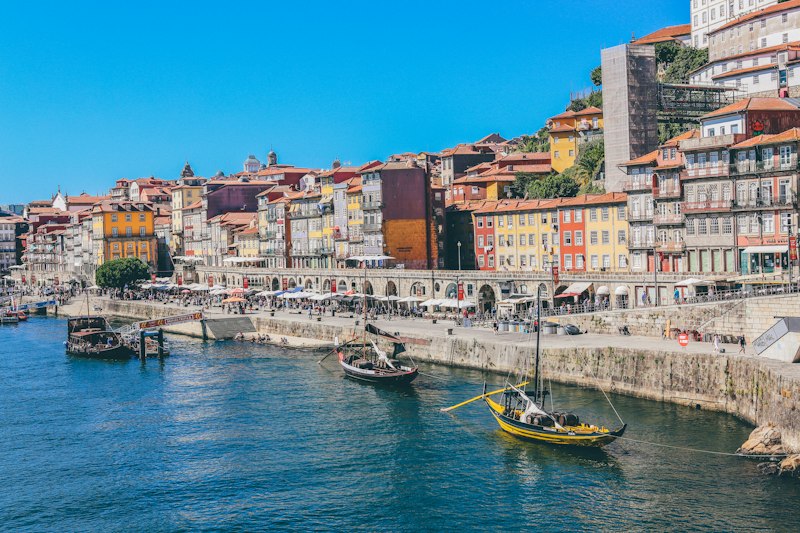
Lisbon cascades across seven hills above the Tagus River estuary, its pastel-colored buildings and azulejo-tiled facades glowing in the Atlantic light. Three days lets you ride the iconic Tram 28 through the narrow streets of Alfama, Lisbon's oldest neighborhood where Fado music drifts from tiny taverns. The Belém district showcases Portugal's Age of Discovery at the Jerónimos Monastery and the Tower of Belém, both UNESCO World Heritage Sites. Lisbon's food scene punches well above its weight — from custard tarts at Pastéis de Belém (baking since 1837) to fresh grilled sardines at a neighborhood tasca to innovative seafood at contemporary restaurants. The city is also one of Europe's most affordable Western capitals, with excellent wine available for a few euros a glass. The miradouros (viewpoints) scattered across the hills offer stunning panoramas, especially at sunset.
Highlights
- 1Ride Tram 28 through Alfama, visit São Jorge Castle for sweeping views, and explore the Fado Museum
- 2Spend the day in Belém — Jerónimos Monastery, Tower of Belém, MAAT museum, and custard tarts at Pastéis de Belém
- 3Browse the Time Out Market for lunch, explore the Bairro Alto neighborhood, and take the Santa Justa Elevator for city views
Best Time to Visit
March through May and September through October deliver warm sunshine (20-27°C) without summer's intense heat or crowds. Summer (June-August) is hot and busy but ideal for combining city exploration with nearby beach trips to Cascais or Costa da Caparica. Winters are mild (10-15°C) with occasional rain.
Travel Tips
- •Wear comfortable shoes with good grip — Lisbon's hills and cobblestone calçada sidewalks are steep and can be slippery
- •The Lisboa Card covers public transport (including trams) and free entry to 39 museums and monuments
- •Try ginjinha, the local sour cherry liqueur, at one of the tiny bars near Rossio Square — a shot costs about one and a half euros
- •Lisbon's Uber and Bolt services are very affordable and useful for hilly routes or late-night travel
- •Visit the LX Factory for independent shops, restaurants, and a Sunday flea market in a converted industrial complex
Frequently Asked Questions
Is Lisbon expensive?
Lisbon is one of Western Europe's most affordable capitals. Budget travelers can manage on $60-90/day with guesthouses and local tascas. Mid-range visitors should budget $130-180/day for boutique hotels and waterfront restaurants.
Do I need a visa for Portugal?
US, UK, Canadian, and Australian citizens can visit Portugal visa-free for up to 90 days within a 180-day period under Schengen rules. Portugal is part of the Schengen Area, and your stay counts toward the cumulative 90-day Schengen limit.
Is Lisbon safe for tourists?
Lisbon is considered one of the safest capitals in Europe. Petty crime like pickpocketing can occur on tram 28, in Rossio Square, and in Bairro Alto at night. The hilly cobblestone streets can also be slippery, so wear comfortable shoes with good grip.
How many days do you need in Lisbon?
Three days lets you explore Alfama, Belém, Bairro Alto, and enjoy the food and nightlife scene. Add a fourth day for a day trip to Sintra's fairy-tale palaces or the beaches of Cascais, both under an hour by train.
What is the best area to stay in Lisbon?
Baixa-Chiado is the most central location with easy access to all neighborhoods by foot or transit. Alfama offers the most atmospheric experience with narrow lanes and Fado music, while Príncipe Real is a trendy upscale neighborhood with great restaurants and gardens.