Live picks
See what's on in Istanbul right now — must-see spots, food, and events
Open →
Overview
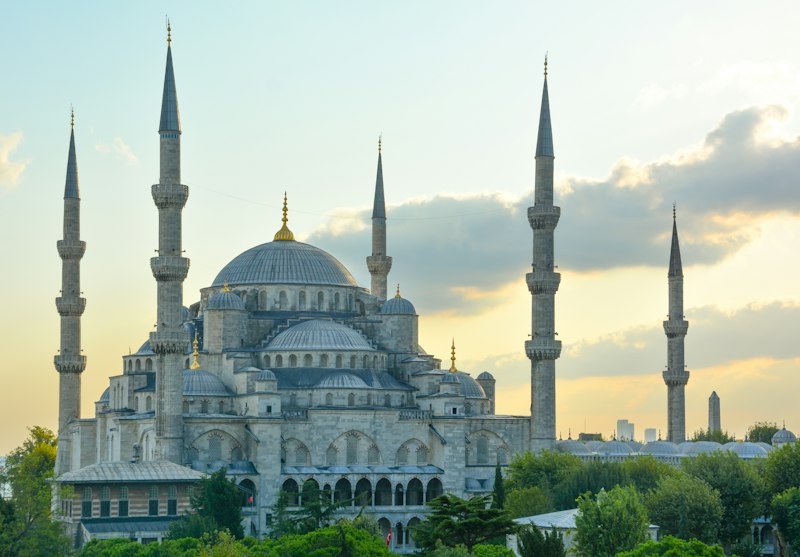
Istanbul is the only city in the world straddling two continents, and its cultural richness reflects millennia as the capital of Roman, Byzantine, and Ottoman empires. Five days lets you fully appreciate this layered metropolis. The Sultanahmet district alone could fill days — Hagia Sophia's massive dome, the Blue Mosque's cascading domes and six minarets, Topkapi Palace's imperial treasures, and the underground Basilica Cistern. The Grand Bazaar and Spice Bazaar are sensory experiences unlike any shopping mall. Crossing the Bosphorus by ferry to the Asian side reveals a quieter, residential Istanbul with excellent food streets in Kadıköy. Turkish cuisine is one of the world's great food traditions — from street-side simit and balık ekmek (fish sandwiches) to elaborate meze spreads and perfectly grilled kebabs. The city's tea culture, rooftop terraces, and neighborhood bakeries invite you to slow down between sightseeing.
Highlights
- 1Explore Hagia Sophia, the Blue Mosque, Hippodrome, and the Basilica Cistern in the Sultanahmet district
- 2Spend a full morning in the Grand Bazaar, visit Süleymaniye Mosque, and explore the Spice Bazaar
- 3Take a Bosphorus ferry cruise past Ottoman waterfront palaces, then visit Dolmabahçe Palace
- 4Cross to the Asian side — explore Kadıköy market streets, Moda's seaside cafés, and watch sunset from Çamlıca Hill
- 5Discover the hip Beyoğlu district — İstiklal Avenue, Galata Tower, and the vibrant meyhane (tavern) scene in Asmalımescit
Best Time to Visit
April through May and September through November offer mild weather (15-24°C) and comfortable sightseeing. Summer (June-August) is hot and humid (30°C+), especially when navigating hilly streets. Winter is cool and rainy but offers dramatically fewer tourists at major sites.
Travel Tips
- •Get an Istanbulkart transit card — it works on ferries, metro, trams, and buses, and costs a fraction of single tickets
- •Hagia Sophia now functions as a mosque; entry is free but you must dress modestly and remove shoes
- •Negotiate prices in the Grand Bazaar — starting at 50% of the asking price is standard practice
- •Avoid taxis that refuse to use the meter; use the BiTaksi app for transparent pricing
- •Try a traditional Turkish breakfast (kahvaltı) — many restaurants offer lavish spreads with dozens of small dishes
Frequently Asked Questions
Is Istanbul expensive?
Istanbul is very affordable compared to Western European cities, especially with the favorable exchange rate. Budget travelers can manage on $40-60/day, and mid-range visitors can enjoy luxury-level hotels and dining for $100-150/day.
Do I need a visa for Turkey?
US, Canadian, and Australian citizens need an e-Visa, which costs about $50 and can be obtained online before travel. UK and EU citizens can enter visa-free for up to 90 days. Always check the latest requirements as policies change frequently.
Is Istanbul safe for tourists?
Istanbul is generally safe for tourists, with millions visiting each year without incident. Stick to well-traveled areas, be cautious of common scams like overfriendly strangers inviting you to bars, and negotiate taxi fares or insist on the meter.
How many days do you need in Istanbul?
Five days gives you time for the major sights — Hagia Sophia, Blue Mosque, Topkapi Palace, Grand Bazaar — plus Bosphorus cruises and Asian-side exploration. Three days covers Sultanahmet's highlights but misses Istanbul's fascinating neighborhood diversity.
What is the best area to stay in Istanbul?
Sultanahmet is ideal for first-time visitors with walking access to Hagia Sophia, the Blue Mosque, and Topkapi Palace. Beyoğlu around Istiklal Street offers vibrant nightlife and dining, while Kadıköy on the Asian side provides a more authentic local experience.