Live picks
See what's on in Berlin right now — must-see spots, food, and events
Open →
Overview
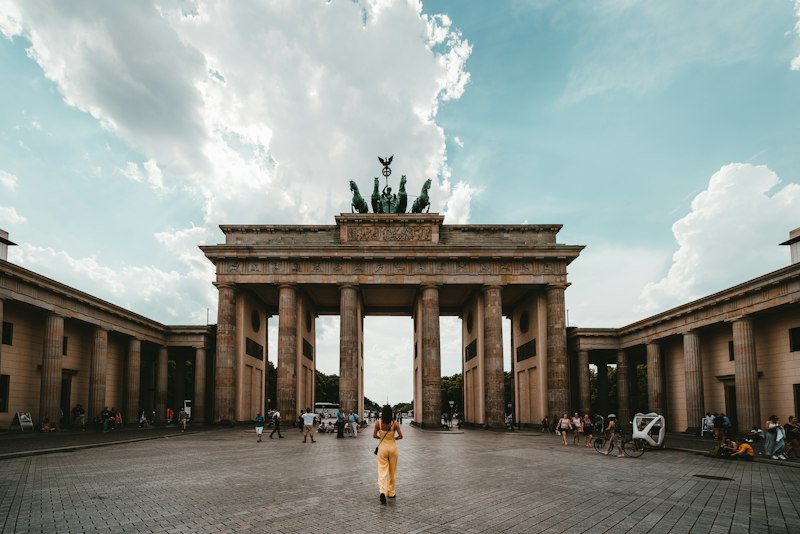
Berlin is a city defined by reinvention. Four days lets you trace the dramatic arc of 20th-century history — from the Brandenburg Gate and the Reichstag to the sobering Holocaust Memorial and remnants of the Berlin Wall at the East Side Gallery. Museum Island's five UNESCO-listed museums house treasures spanning 6,000 years, including the iconic Nefertiti bust. But Berlin's real energy comes from its present. The city's neighborhoods are fiercely individual: Kreuzberg's multicultural street food scene, Prenzlauer Berg's tree-lined café culture, Mitte's gallery district, and Friedrichshain's raw industrial-turned-creative spaces. Berlin is remarkably affordable for a European capital, with outstanding döner kebabs for a few euros, craft beers for even less, and a thriving free-museum scene. The city's parks are vast — Tiergarten alone rivals London's Hyde Park — and the nightlife culture, centered on legendary clubs, is genuinely unmatched.
Highlights
- 1Visit the Brandenburg Gate, Reichstag dome (book free entry online), Holocaust Memorial, and Checkpoint Charlie
- 2Explore Museum Island — the Pergamon Museum and Neues Museum — then walk along Unter den Linden
- 3Discover the East Side Gallery, Oberbaumbrücke, and Kreuzberg's street food scene around Markthalle Neun
- 4Stroll through Tiergarten park, visit the Topography of Terror, and explore Potsdamer Platz
Best Time to Visit
May through September offers warm weather (20-28°C) and Berlin's best outdoor events, beer gardens, and open-air cinema. June brings the Fête de la Musique and long daylight hours. Autumn has beautiful foliage in Tiergarten, while winter features extensive Christmas markets across the city.
Travel Tips
- •Book the free Reichstag dome visit online in advance — walk-up registration is available but limited and requires waiting
- •Get a Berlin WelcomeCard for unlimited public transport and discounts at 200+ attractions
- •Carry cash — many restaurants, bars, and smaller shops in Berlin still do not accept credit cards
- •Sunday is quiet in Berlin; most shops are closed by law, but museums, flea markets at Mauerpark, and restaurants remain open
- •Berlin's U-Bahn and S-Bahn operate 24 hours on weekends — no need for taxis on Friday and Saturday nights
Frequently Asked Questions
Is Berlin expensive?
Berlin is surprisingly affordable for a major Western European capital. Budget travelers can get by on $60-90/day with hostels and street food. Mid-range visitors should budget $130-200/day for comfortable hotels and restaurant dining.
Do I need a visa for Germany?
US, UK, Canadian, and Australian citizens can visit Germany visa-free for up to 90 days within a 180-day period under Schengen rules. Germany uses the euro, but Berlin is more cash-dependent than other German cities, so carry some bills.
Is Berlin safe for tourists?
Berlin is generally very safe for tourists. Petty theft can occur at busy transit stations and tourist hotspots like Alexanderplatz and Hackescher Markt. Some neighborhoods have grittier atmospheres at night, but violent crime targeting tourists is rare.
How many days do you need in Berlin?
Four days lets you cover the major history sites, Museum Island, the Berlin Wall memorials, and explore diverse neighborhoods like Kreuzberg and Prenzlauer Berg. Three days works for the highlights, but Berlin's neighborhood culture really rewards extra time.
What is the best area to stay in Berlin?
Mitte is the most central district with major museums and landmarks within walking distance. Kreuzberg and Friedrichshain are best for nightlife and a younger crowd, while Prenzlauer Berg offers a leafy, family-friendly atmosphere with excellent brunch spots.