Start With the Right Number of Destinations
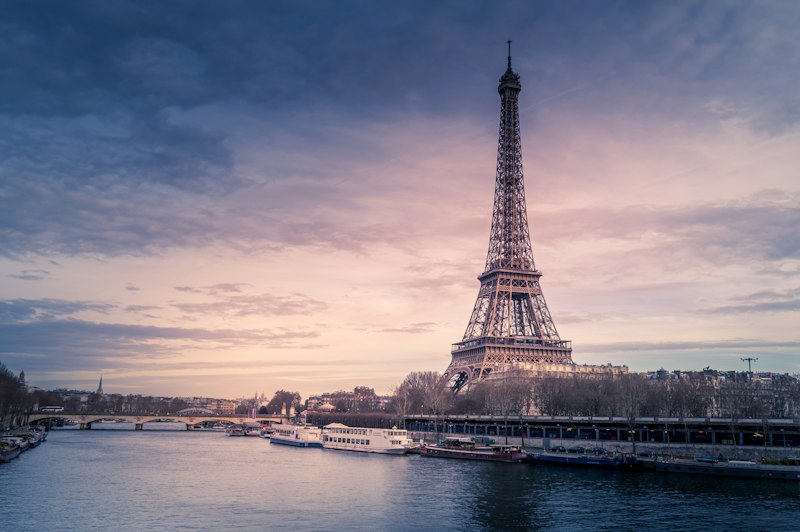
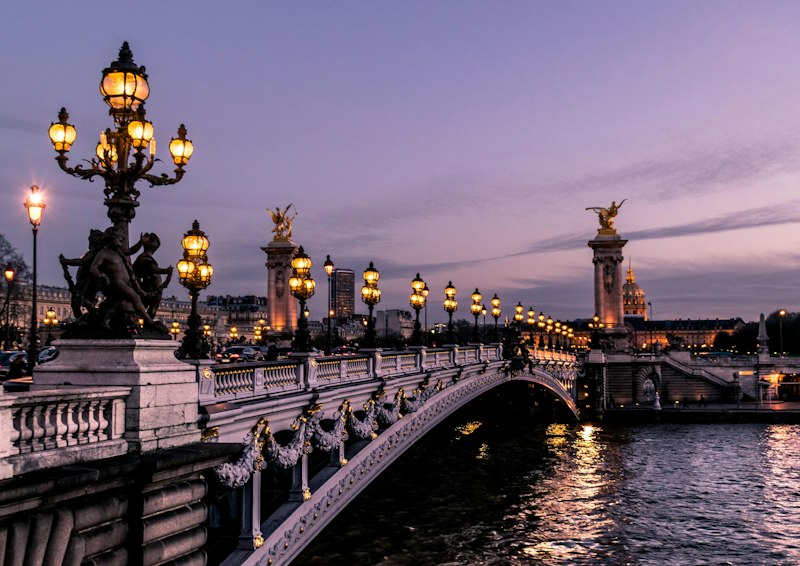
The biggest mistake first-time visitors to Europe make is trying to see too much. Cramming Paris, Rome, Barcelona, Amsterdam, and London into a single 10-day trip means you will spend more time in transit than actually experiencing each city. A good rule of thumb is 3 to 4 days per destination, with no more than 3 to 4 cities for a two-week trip. Choose destinations that cluster geographically. Paris and London are a 2.5-hour train ride apart. Rome, Florence, and Venice form a natural Italian triangle. Barcelona pairs well with the south of France or Madrid. Building your route around a region rather than bouncing across the continent saves time, money, and energy. See our [Paris 5-day itinerary](/itinerary/paris-5-days) and [London 4-day itinerary](/itinerary/london-4-days) for detailed day-by-day plans.
Choosing the Best Time to Visit Europe
Europe's peak season runs from June through August — longest days, warmest weather, but also the highest prices and biggest crowds. Shoulder seasons (April to May and September to October) offer the best balance of good weather, reasonable prices, and manageable crowds. Winter travel (November to March) brings the lowest prices and Christmas markets in cities like Vienna, Prague, and Strasbourg, but shorter days and cold temperatures limit outdoor activities. Mediterranean destinations like southern Spain, Portugal, and Greece remain pleasant well into November.
Transportation: Trains vs. Flights vs. Buses
Trains are often the best way to travel between European cities. High-speed rail connects Paris to London (2h15), Paris to Amsterdam (3h20), Madrid to Barcelona (2h30), and Rome to Florence (1h30). Book tickets on the official rail websites (SNCF for France, Trenitalia or Italo for Italy, Renfe for Spain, DB for Germany) 2 to 3 months in advance for the best prices. Budget airlines like Ryanair, easyJet, and Wizz Air offer cheap flights between cities, but factor in baggage fees, airport transfers, and the time spent at airports. A direct city-center-to-city-center train often beats a "cheaper" flight once you account for total time and cost. Flixbus offers budget intercity bus routes across Europe, ideal for shorter distances on a tight budget.
Budgeting Your Europe Trip
A mid-range Europe trip typically costs $150 to $250 per person per day, covering accommodation, meals, transport, and activities. Western Europe (London, Paris, Zurich, Amsterdam) sits at the higher end, while Eastern and Southern Europe (Prague, Lisbon, Budapest, Athens) are significantly more affordable. Save money by booking accommodation with kitchen access for breakfast and some meals, eating lunch as your main meal (many restaurants offer fixed-price lunch menus), using city tourism cards for bundled museum entry and public transport, and walking — European cities are incredibly walkable, and you discover more on foot than from a tour bus.
Accommodation Tips
Hotels in European city centers are expensive. Consider these alternatives: boutique hostels with private rooms (many are nicer than budget hotels), apartment rentals for stays of 3+ nights (great for families or groups), guesthouses and B&Bs for a local experience, and hotels slightly outside the historic center with good metro access. Book 2 to 4 months ahead for peak season and major cities. In shoulder season, 3 to 4 weeks ahead usually suffices. Always check the cancellation policy and read recent reviews focused on cleanliness and location accuracy.
Let AI Do the Heavy Lifting
Planning a multi-city Europe trip involves dozens of decisions about routes, timing, dining, and sightseeing. Periplo can generate a complete day-by-day itinerary for each city in your trip — including activities organized by neighborhood to minimize transit time, restaurant recommendations for every meal, and practical tips about opening hours and ticket booking. Simply enter each destination and your dates, and Periplo builds an optimized plan in seconds. You can then refine it by chatting with the AI — asking it to add more food experiences, swap a museum for a park, or adjust the pace to be more relaxed. It is the fastest way to go from a blank page to a trip you are genuinely excited about. Browse all our [destination guides](/community) for inspiration.